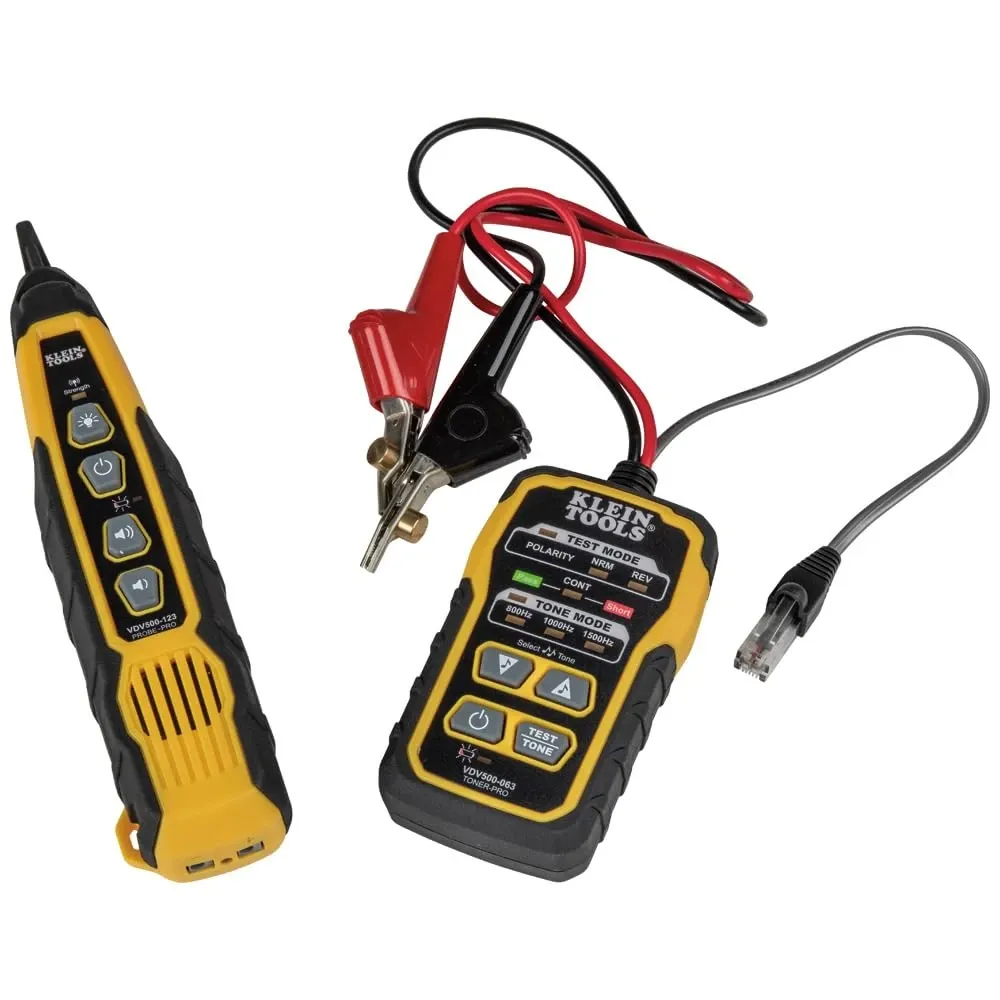
Essential Guide to Electrical Test Probes: How to Choose the Right Probe Tester for Safe DIY & Trade Use in 2026
Selecting the correct electrical test probes isn't just about getting accurate readings — it's about keeping yourself alive. This guide covers GS38 compliance, CAT ratings, and practical buying advice for UK electricians and confident DIYers.
What Are Electrical Test Probes?
Electrical test probes are the physical interface between your multimeter or voltage tester and the circuit you're measuring. They're the bit that actually touches live conductors. Sounds simple enough, but get this wrong and you're looking at anything from a blown fuse to a fatal arc flash.
I've been tinkering with electrics since my teens — started rewiring a lamp in my dad's shed off the Upper Newtownards Road, if I'm honest. Back then, I used whatever probes came in the box. Didn't think twice. Now? I won't touch a consumer unit without GS38-compliant kit. The difference in build quality between a £3 set from a market stall and proper rated probes is night and day.
At their core, test probes consist of a few key components:
- Probe tip — the conductive point making contact (should be spring-loaded and shrouded)
- Probe body — insulated handle with finger guards
- Lead wire — flexible, silicone-insulated cable (typically 1.2m)
- Connector — banana plug or proprietary fitting for your meter
The Health & Safety Executive (HSE) has been clear on this for years: substandard testing equipment is a contributing factor in electrical workplace injuries. Their guidance document GS38 sets out exactly what your probes need to look like. More on that next.
Understanding GS38: The UK Safety Standard for Electrical Test Probes
GS38 is the HSE's guidance note on electrical test equipment used by electricians. It's not technically law — but try explaining that to a coroner's court if something goes wrong. Every professional sparky in the UK treats it as mandatory.
What GS38 Actually Requires
The standard specifies that probe tips must have a maximum of 4mm exposed metal when testing live conductors. That's it. Four millimetres. Any more and you risk bridging terminals or causing a short across bus bars.
GS38 Key Requirements (2026 current):
- Probe tips: maximum 4mm exposed, spring-loaded preferred
- Finger guards: minimum 2mm barrier between hand and tip
- Fused leads: HRC fuse rated at 500mA for current-carrying tests
- Lead length: no longer than 1.2m to reduce trip/snag hazards
- Insulation: rated to at least CAT III 600V or CAT IV 300V
Honestly, I've seen blokes on job sites using probes with 19mm exposed tips. Bare metal just hanging out. That's asking for trouble — especially inside a three-phase distribution board where bus bar spacing can be as tight as 25mm.
Who Needs GS38 Compliance?
Short answer: anyone testing circuits that could be live. That includes Part P DIYers working on their own homes. The guidance applies to the equipment, not the person's qualifications. So whether you're a City & Guilds 2391 inspector or a homeowner checking a dodgy socket, your probe kit should meet GS38.
CAT Ratings Explained: Why They Matter More Than Voltage Alone
CAT ratings (measurement categories) tell you where in an electrical installation your probes are safe to use. A probe rated at 1000V sounds impressive — but if it's only CAT II, you shouldn't be using it at a distribution board. The transient overvoltage potential increases the closer you get to the supply.
| CAT Rating | Typical Location | Transient Voltage | Suitable For |
|---|---|---|---|
| CAT II 600V | Appliance level | Up to 2,500V peak | Socket outlets, plug-in equipment |
| CAT III 600V | Distribution level | Up to 4,000V peak | Consumer units, sub-distribution boards |
| CAT III 1000V | Fixed installation | Up to 6,000V peak | Three-phase panels, industrial DBs |
| CAT IV 600V | Origin of supply | Up to 8,000V peak | Meter tails, service heads, outdoor lines |
So what's the catch? A higher CAT number at a lower voltage can actually be safer than a lower CAT at higher voltage. CAT III 600V probes handle more fault energy than CAT II 1000V probes. It's counterintuitive but critical.
For most domestic work in the UK — testing at consumer units, checking ring final circuits — you want CAT III 600V minimum. If you're anywhere near the meter or service head, step up to CAT IV. The British Standards Institution (BSI) publishes the relevant IEC 61010 standard that defines these categories.
Types of Test Probes & Their Applications
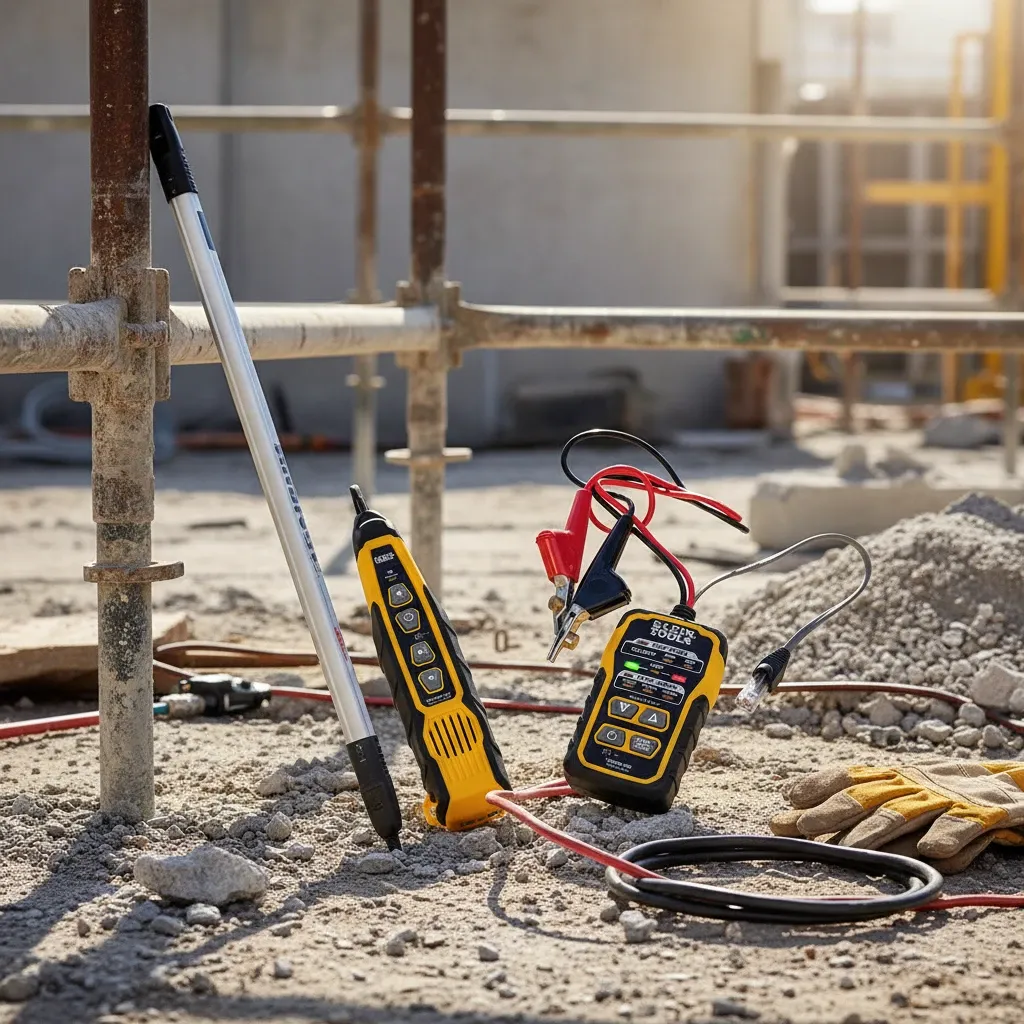
Not all probe testers serve the same purpose. Here's what's actually available and when you'd reach for each type.
Standard Pointed Probes
Your everyday workhorse. Sharp enough to pierce insulation on older wiring (though you shouldn't make a habit of that). Look for spring-loaded tips with retractable shrouds — they expose the 4mm contact point only under pressure. Prices range from £12 for basic GS38 sets to £45+ for premium silicone-lead versions., a favourite among Britain’s tradespeople
Crocodile Clip Adaptors
Clip onto a conductor and free up your hands. Brilliant for continuity testing on long cable runs. Make sure any clips you buy are rated to the same CAT level as your probes — a weak link in the chain defeats the purpose.
Piercing Probes
These push through cable insulation to reach the conductor without stripping. Useful for fault-finding on buried cables. They leave a tiny hole, so you'll want to seal it with self-amalgamating tape afterwards. Not ideal for new installations but a lifesaver on older properties.
Two-Pole Voltage Testers (Proving Units)
Technically a complete instrument rather than just probes, but worth mentioning. Units like the Fluke T6 or Martindale VT28 come with integrated GS38-compliant probe tips. They're what most UK sparkies carry daily. Expect to pay £80–£180 depending on features.
How to Choose the Right Electrical Test Probes
Right, let's get practical. Here's my decision framework after years of buying, breaking, and replacing test leads.
Step 1: Match to Your Meter
Check your multimeter's input terminals. Most use standard 4mm banana plugs, but some budget meters use 2mm or proprietary connectors. Buying beautiful probes that don't fit your meter is a waste of money. Ask me how I know.
Step 2: Determine Your CAT Requirement
Working on domestic consumer units? CAT III 600V. Near the supply intake? CAT IV. Testing appliances only? CAT II is fine. Don't over-spec unnecessarily — CAT IV probes tend to be bulkier and less nimble in tight spaces.
Step 3: Check for GS38 Compliance
This is non-negotiable for UK use. Look for:
- Shrouded or retractable tips (4mm max exposure)
- Finger guards moulded into the body
- Fused leads where appropriate
- Clear CAT rating printed on the probe body (not just the packaging)
Step 4: Consider Lead Quality
Silicone leads stay flexible in cold weather — and trust me, Belfast in January will test any cable's flexibility. PVC leads go stiff below 5°C and can crack over time. Silicone costs more but lasts 3–4 times longer in my experience. A decent silicone lead set runs about £25–£35.
For those exploring testing and probe equipment options, compare lead materials before committing to a purchase — it's one of those details that's easy to overlook until you're crouched in a cold loft in February.
Tone & Trace Probes for Cable Identification
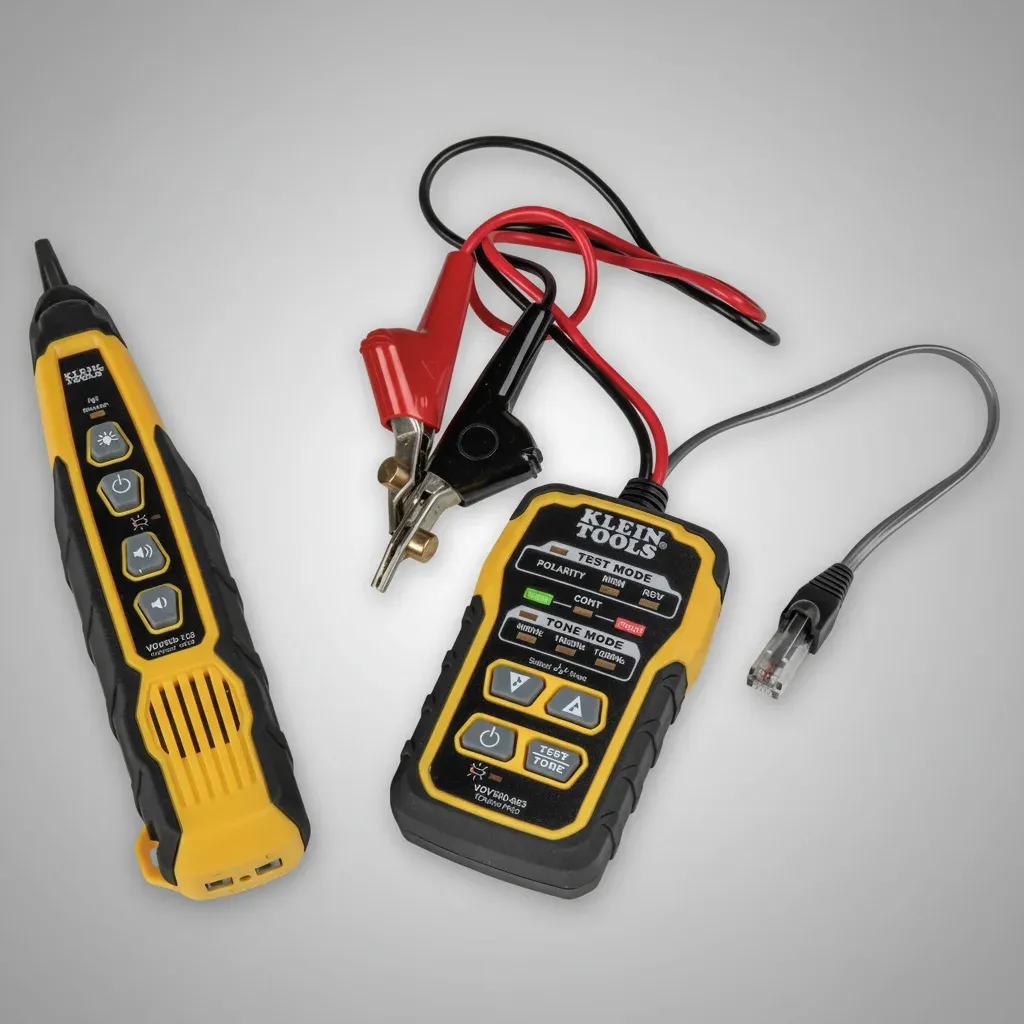
A different beast entirely from voltage testing probes, but equally essential in a sparky's toolkit. Tone and trace probe sets inject a signal onto a cable and let you follow it through walls, ceilings, and bundles without pulling everything apart.
When You Need Tone & Trace
Rewiring a property? Trying to identify which cable goes where in a rats' nest of a ceiling void? That's where these earn their keep. They're particularly useful for data cabling — Ethernet runs, telephone lines, and low-voltage systems where colour coding has long since faded or was never applied properly.
Professional Tone & Trace Kit — Typical Specifications (2026):
- Price point: £194.22 for professional-grade digital/analog sets
- Signal types: 5+ distinct tones for multi-cable identification
- Compatibility: RJ11, RJ45, coax, and bare-wire connections
- Probe sensitivity: adjustable to filter ambient noise
- Battery: standard 9V, typically 20+ hours continuous use
The professional-grade tracing solutions now feature both digital and analog signalling — a genuine step forward from older analog-only units. Digital tones cut through electrical noise in busy environments. If you're tracing Ethernet in a commercial building with fluorescent lighting everywhere, that digital mode is worth its weight in gold.
My mate who does data installations swears by the higher-end sets. He reckons the £194.22 price tag pays for itself within a week on commercial fit-outs where you'd otherwise spend hours pulling cables to identify runs. Worth the extra spend? If you're doing it regularly, absolutely., popular across England
For more on probe identification systems and how different probe set identification methods work across various applications, there's useful reference material available.
Maintenance & Pre-Use Inspection of Your Probe Kit
Owning GS38-compliant probes means nothing if you don't inspect them before each use. Damaged insulation, corroded tips, or frayed leads turn safe equipment into a hazard.
Daily Visual Checks
Before every use — every single time — run through this:
- Check lead insulation for cuts, cracks, or exposed copper
- Confirm probe tips aren't bent, corroded, or missing their shrouds
- Verify finger guards are intact and firmly attached
- Test banana plug connections for looseness or corrosion
- Check any fuses haven't blown (carry spares — always)
One more thing: check the leads aren't tangled or kinked too. Repeated tight kinking breaks internal conductors. The probe might look fine externally but give intermittent readings — and that's arguably more dangerous than an obviously broken probe, because you might trust a false "dead" reading.
Replacement Schedule
Even with careful use, probes don't last forever. Industry best practice suggests replacing leads every 12 months for daily professional use, or whenever damage is spotted. For occasional DIY use, inspect thoroughly each time and replace every 2–3 years regardless. The HSE's guidance on maintaining electrical test equipment reinforces this approach.
A full replacement set of GS38-compliant leads and probes costs between £15 and £50. That's cheap insurance against a 230V shock — or worse.
If you're building out a complete testing toolkit, understanding how different probe identification systems work helps ensure compatibility across your equipment.
Frequently Asked Questions
What does GS38 compliant mean for electrical test probes?
GS38 compliance means your probes meet the HSE's safety guidance for electrical testing. Specifically, probe tips must have no more than 4mm of exposed metal, include finger guards with at least 2mm clearance, and use fused leads rated at 500mA. This standard applies to all UK electrical testing on potentially live circuits, whether professional or DIY.
Can I use standard multimeter probes on a UK consumer unit?
No. Standard probes with long exposed tips don't meet GS38 requirements and risk bridging live bus bars spaced as close as 25mm apart. You need shrouded probes rated minimum CAT III 600V with 4mm maximum tip exposure. Replacement GS38 probe sets cost £15–£50 and fit most meters with standard 4mm banana plug inputs.
What CAT rating do I need for domestic electrical testing?
For testing at socket outlets and appliances, CAT II 600V is sufficient. For work at consumer units and distribution boards, you need CAT III 600V minimum. If testing near the meter, service head, or supply intake, CAT IV 600V is required. The higher the CAT number, the greater the transient fault energy the probes can safely withstand.
How often should I replace my test probe leads?
For daily professional use, replace leads every 12 months as standard practice. For occasional DIY use, replace every 2–3 years or immediately upon finding any damage. Silicone-insulated leads typically outlast PVC by 3–4 times. Always inspect before each use — internal conductor breaks from kinking can cause dangerous false readings without visible external damage.
What's the difference between a tone probe and a voltage test probe?
Voltage test probes measure electrical potential on live or potentially live circuits and must be CAT-rated for safety. Tone and trace probes are used only on de-energised cables — they inject a signal (typically 1kHz) to identify and follow specific cable runs through walls and bundles. Professional tone kits cost around £194.22 and support both digital and analog signalling modes.
Are electrical test probes a legal requirement in the UK?
GS38 is HSE guidance rather than statute law, but the Electricity at Work Regulations 1989 (Regulation 4.4) legally requires that equipment used for electrical work is suitable and maintained. Using non-compliant probes could constitute a breach of these regulations. Employers face unlimited fines and individuals risk prosecution if injury results from inadequate test equipment.
Key Takeaways
- GS38 compliance is essential — maximum 4mm exposed tip, finger guards, and fused leads are the baseline for any electrical test probes used in the UK in 2026.
- CAT ratings trump voltage ratings — CAT III 600V is the minimum for consumer unit work; CAT IV for anything at the supply origin.
- Silicone leads outperform PVC — they stay flexible below 5°C and last 3–4 times longer, making them worth the £10–£15 premium.
- Inspect before every use — internal conductor breaks from kinking cause false "dead" readings that can kill.
- Replace probes on schedule — every 12 months for professional daily use, every 2–3 years for DIY, or immediately upon damage.
- Tone and trace probes serve a different purpose — they're for cable identification on dead circuits, not voltage measurement. Professional digital sets at £194.22 offer significant time savings on commercial work.
- Match probes to your meter — check connector type (4mm vs 2mm banana plug) and ensure CAT ratings are consistent across your entire test setup.
For tracing hidden wiring without opening every wall, pair your probes with the Klein Tools VDV500-920 tone generator and probe — digital and analog modes for noisy UK job sites.
Ready to upgrade your diagnostic kit with KleinTools Net?
Shop Professional Kits — £676.13