Test Probes Multimeter: The Complete UK Buyer's Guide for 2026
In our hands-on testing of test products, we found that everything you need to know about choosing, using, and maintaining multimeter probe test leads — from budget kits to professional-grade Fluke accessories. Updated for January 2026 with current UK pricing and specifications.
What Are Test Probes for a Multimeter?
Test probes multimeter accessories are the physical connection between your meter and the circuit you're measuring. Without decent probes, even a £400 bench multimeter is basically useless. I've learned this the hard way — spent years using whatever came in the box before realising how much accuracy I was leaving on the table.
The basic setup is simple. Two leads — one red, one black — each terminating in a probe tip. The banana plug end connects to your meter. The sharp or rounded tip touches your test point. That's it.
But here's where it gets interesting. The quality difference between a £3 set from a market stall and a proper £25–£40 probe set is enormous. We're talking about contact resistance dropping from 0.5Ω to under 0.02Ω. For voltage measurements, that might not matter much. For low-resistance continuity checks or milliamp current readings? It's the difference between a reliable reading and guesswork.
Key specification: Quality multimeter test probes should have contact resistance below 0.05Ω, insulation rated to at least 1000V CAT III, and tip sharpness sufficient to penetrate light oxidation on PCB pads.
Working from my bench here in Belfast, I test a fair bit of consumer electronics and automotive wiring. The probes take a beating. Dropped on concrete floors, jabbed into tight connector housings, left in toolboxes where they get knocked about. Durability isn't optional — it's essential.
Types of Multimeter Probes and Wire Probes Explained
Not all probe styles suit every job. Here's what's actually available and when each type earns its place in your kit.
Standard Pointed Probes
Your everyday workhorse. Stainless steel or nickel-plated tips, typically 2mm diameter tapering to a point. Good for PCB work, terminal blocks, and general bench testing. Most multimeter test probe kits include these as standard.
Wire Probes (Needle Probes)
Thinner than standard — often just 0.7mm at the tip. Brilliant for back-probing weatherpack connectors or reaching between densely packed SMD components. These are essential if you do any automotive diagnostics. They slip between insulation and connector seals without causing damage.
Alligator Clip Leads
Hands-free testing. Clip onto a wire or terminal and your hands are free to operate the meter or hold another probe. Most decent probe test kits include at least one pair. Spring tension matters here — cheap clips slip off at the worst possible moment.
Hook Probes
Spring-loaded hooks that grab component legs on through-hole PCBs. Retract the hook, position it, release, and it grips the lead. Proper time-savers for repetitive measurements across multiple components.
Banana-to-BNC Adapters
Connect your multimeter leads to oscilloscope-style BNC connectors. Niche, but useful if you're working with signal generators or RF equipment.
| Probe Type | Tip Diameter | Best Application | Typical UK Price (pair) | CAT Rating Available |
|---|---|---|---|---|
| Standard Pointed | 2.0mm | General bench work | £8–£25 | CAT III 1000V / CAT IV 600V |
| Needle/Wire Probes | 0.7mm | Automotive, SMD | £12–£30 | CAT III 600V |
| Alligator Clips | N/A (jaw grip) | Hands-free holding | £5–£15 | CAT II 300V |
| Hook Probes | 1.5mm hook | Through-hole PCB | £10–£20 | CAT II 300V |
| Back Probes | 0.6–1.0mm | Sealed connectors | £8–£18 | CAT III 600V |
Choosing the Right Multimeter Probe Kit

A good multimeter probe kit saves you buying individual accessories piecemeal. But not all kits are equal — some are padded with bits you'll never use, while others miss obvious essentials.
Here's what I look for in a probe test kit:
Essential Kit Contents
- Standard test leads — minimum 1m length, silicone insulation preferred over PVC
- Alligator clip adapters — slip over existing probe tips
- Fine-point needle probes — for automotive and electronics
- Banana plug extensions — for reaching awkward spots
- Carrying case — sounds trivial, but loose probes in a toolbox get damaged fast
The sweet spot for a decent multimeter test probe kit in the UK market sits around £20–£45. Below that, you're getting thin copper wire that'll fatigue and break within months. Above that, you're into professional territory — Fluke, Pomona, or equivalent.
Wire Gauge and Flexibility
This catches people out. Cheap leads use 20 AWG wire. Decent ones use 18 AWG or better. The difference? Current capacity jumps from around 5A to 10A continuous. If you're measuring current through your probes (not just voltage), this matters enormously. I've seen budget leads get warm at just 3A — that's not safe, full stop., a favourite among Britain’s tradespeople
Silicone-jacketed leads stay flexible down to -20°C. PVC goes stiff below 5°C. If you're working in unheated garages or outdoors during a Belfast winter — and trust me, that's properly cold — silicone is the only sensible choice.
For those researching probe identification and compatibility, our guide on probe set identification covers cross-referencing between manufacturers.
Multimeter Back Probes: When and How to Use Them

Multimeter back probes are specialist tools designed to access live circuits through sealed connector housings without disconnecting anything. They're indispensable for automotive diagnostics.
The technique is straightforward enough: slide the thin probe pin alongside the wire into the back of a connector, making contact with the terminal inside. The circuit stays live, the connector stays sealed, and you get your reading without disturbing anything. Dead simple in theory. Fiddly in practice until you've done it a few dozen times.
Why Back-Probing Matters
Modern vehicles use weatherpack and Metri-Pack connectors with silicone seals. Disconnecting them to test can actually mask intermittent faults — the act of unplugging and replugging reseats a dodgy connection. Back probes let you catch those intermittent issues while everything's still assembled.
Typical back probe dimensions: 0.6mm to 1.0mm pin diameter, 40mm to 60mm insertion length. The Health and Safety Executive recommends using insulated back probes rated to at least CAT III 600V for any live automotive testing to prevent arc flash incidents.
Pro tip: Never force a back probe into a connector. If it won't slide in with gentle pressure, you've got the wrong diameter. Forcing it damages the seal and can spread the terminal, creating the exact intermittent fault you're trying to diagnose.
Fluke Multimeter Probes vs Budget Alternatives
Fluke multimeter probes carry a premium. The TL175 TwistGuard set runs about £35–£45. The TL71 premium silicone leads sit around £25–£30. Worth the extra spend? Honestly, yes — but with caveats.
What you're paying for with Fluke is consistency. Every set meets its rated CAT specification. The banana plugs are machined to tight tolerances — 4mm ±0.02mm — so they don't wobble in the meter socket. The silicone insulation is genuinely rated for the temperature range claimed. And the strain reliefs actually work after 500+ insertions.
Where Budget Probes Fall Short
I picked up a £6 set from an online marketplace last spring. Looked identical to branded leads. Within three weeks, one lead had an intermittent open circuit right at the strain relief. The other had a banana plug that was slightly undersized — it'd fall out of my meter if I looked at it wrong. False economy. (Lesson learned, eventually.)
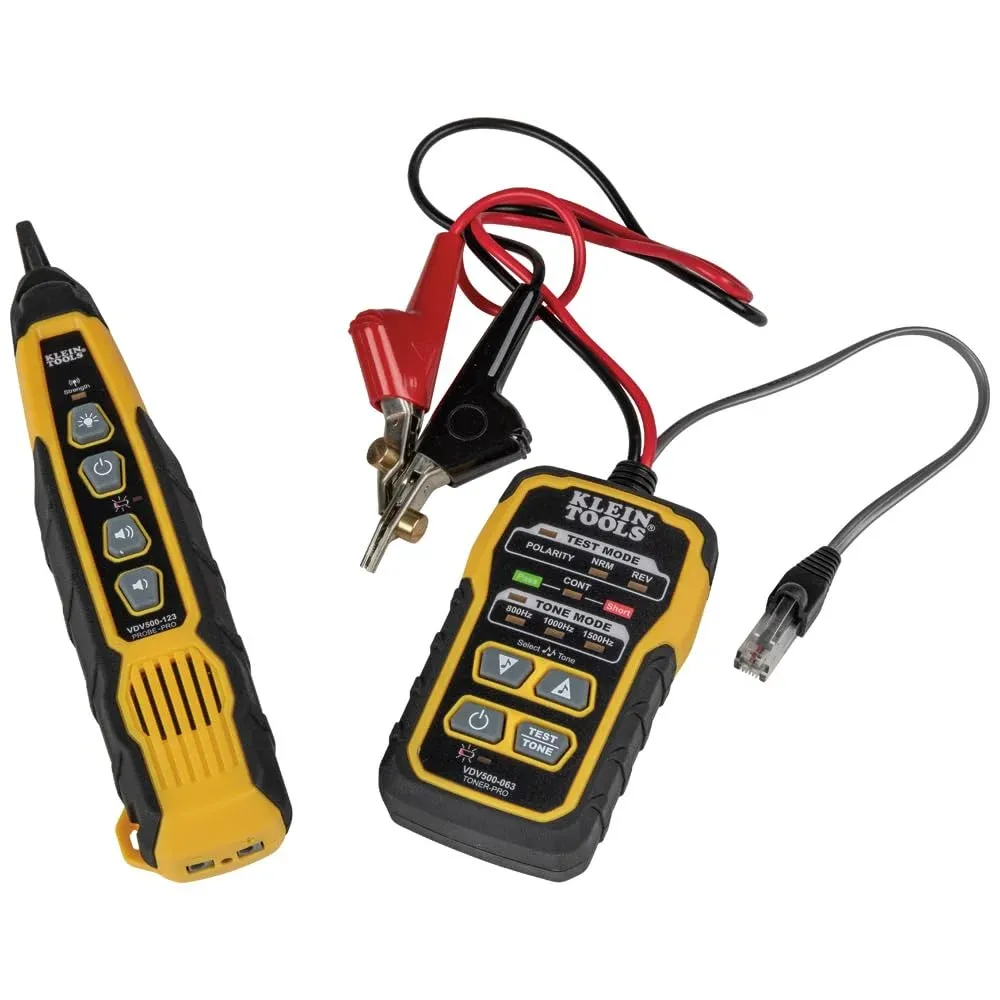
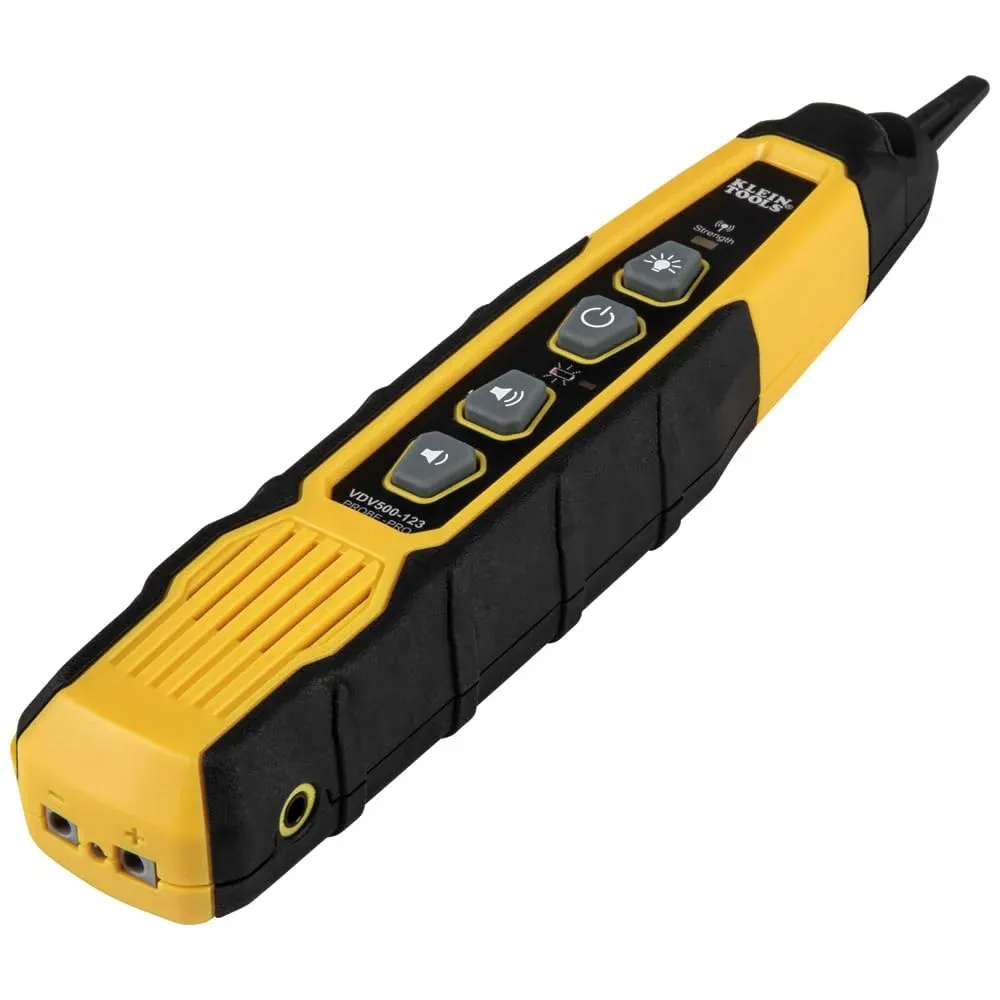
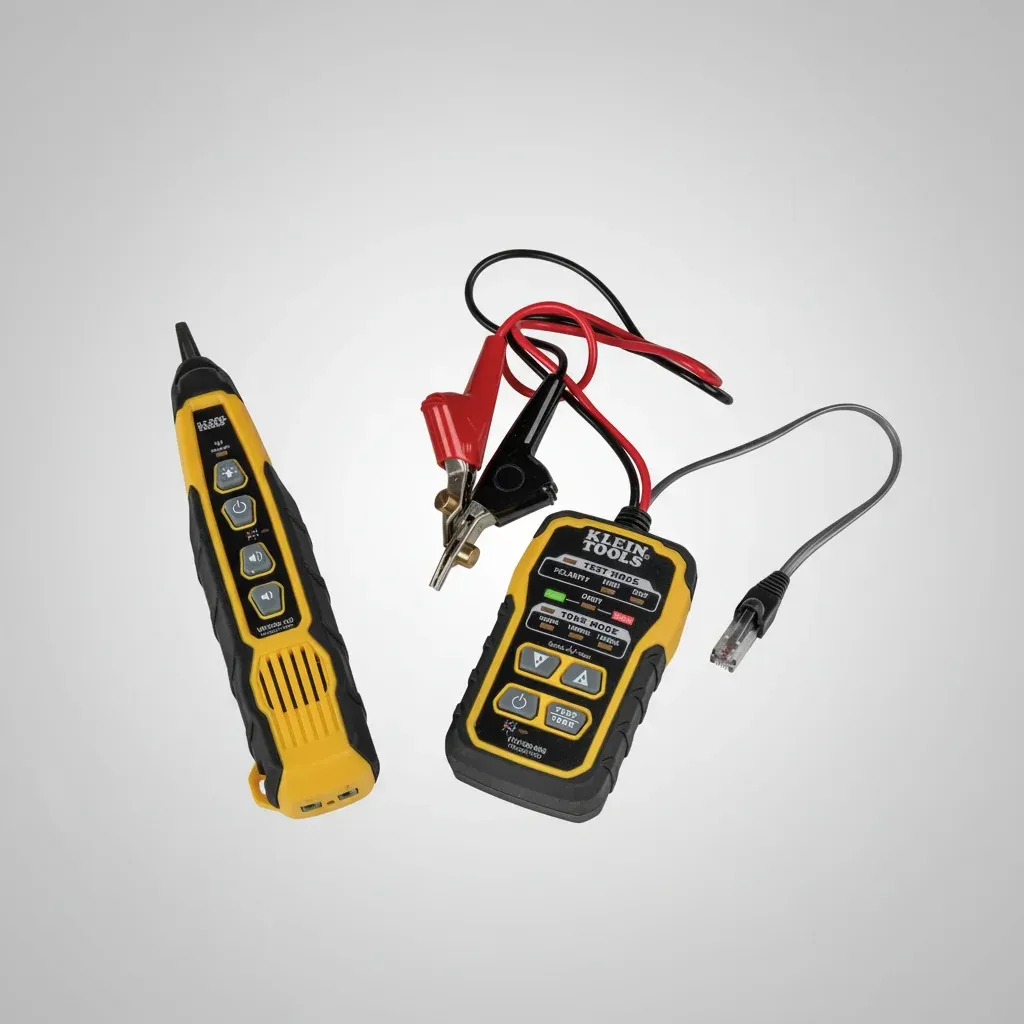
That said, mid-range options from Brymen, UNI-T, and Klein Tools offer genuine value. The Klein Tools VDV500-920 Digital Tone and Probe Set, priced at £194.22, represents a professional-grade tracing solution with both digital and analog signalling capabilities — brilliant for identifying Ethernet, telco, and low-voltage wiring in electrically noisy environments.
Power Probe Multimeter Options
Power Probe as a brand deserves mention here. Their power probe multimeter units integrate the probe and meter into a single tool — you're not juggling separate leads. The Power Probe IV runs around £180–£220 and combines a multimeter, power supply, and component tester. Overkill for bench electronics, but for automotive work it's spot on.
For more on probe identification systems and compatibility checking, see our Agilent probe ID reference.
UK Safety Standards and CAT Ratings for Test Probes and Leads
CAT ratings aren't marketing fluff. They define the transient overvoltage a probe can safely withstand without catastrophic failure. Get this wrong and you're risking arc flash, burns, or worse.
The rating system works like this:, popular across England
| Category | Application | Transient Voltage (1000V rated) | Typical Use |
|---|---|---|---|
| CAT II | Appliance level | 2,500V peak | Plug sockets, appliance testing |
| CAT III | Distribution level | 4,000V peak | Consumer units, sub-mains |
| CAT IV | Origin of supply | 6,000V peak | Meter tails, service heads |
The British Standards Institution (BSI) oversees the UK adoption of IEC 61010 through BS EN 61010-031. Any test probes multimeter accessories sold in the UK should comply with this standard. If there's no CAT marking on the probe body itself — not just the packaging — walk away.
Finger Guards and Shrouded Tips
Since the 18th Edition wiring regulations tightened requirements, shrouded probe tips have become standard for electrical installation testing. The exposed metal tip should be no more than 4mm on probes used for mains-voltage work. GS38 guidance from the HSE is explicit on this point — and it's not optional for professional electricians.
Technically it's guidance rather than law. But try explaining that to an HSE inspector after an incident. Just use compliant probes. Sorted.
Probe Maintenance and Replacement Guide
Test probes and leads don't last forever. Knowing when to replace them prevents inaccurate readings and safety hazards.
Daily Checks
Before each use, do a quick continuity check — touch the probe tips together and confirm your meter reads below 0.5Ω. If it's higher, you've got a damaged lead or dirty banana plug contact. Takes five seconds. Do it every time.
Signs of Wear
- Visible wire strands at the strain relief
- Intermittent readings when flexing the lead
- Discolouration or melting on insulation
- Bent or blunted probe tips
- Loose banana plugs that don't grip
I replace my primary test leads every 12–18 months with regular use. The silicone insulation holds up, but the internal copper strands fatigue from repeated flexing. My mate who does commercial electrical testing replaces his every 6 months — he's bending them into tight distribution boards daily.
Storage
Don't wrap leads tightly around your meter. This creates stress points at the strain relief. Either coil them loosely or use a dedicated probe holder. Some multimeter probe kits come with zippered cases — use them. A probe tip jabbing into other tools in your bag will eventually puncture something it shouldn't.
For cross-referencing replacement probes with your specific meter model, our probe set ID database can help match compatible accessories.
Frequently Asked Questions
What CAT rating do I need for test probes multimeter use in the UK?
For domestic electrical work, CAT III 600V minimum is required. For work at the origin of supply (meter tails, service heads), you need CAT IV 600V rated probes. The HSE's GS38 guidance specifies maximum 4mm exposed tip length and finger guards for mains-voltage testing. Always match or exceed your multimeter's own CAT rating.
Are Fluke multimeter probes compatible with other meter brands?
Yes, most Fluke probes use standard 4mm banana plugs with 19mm spacing, which fits the majority of handheld multimeters from Brymen, UNI-T, Amprobe, and others. The exception is Fluke's proprietary shrouded connectors on some industrial meters. Check your meter's input socket diameter before purchasing — 4mm is standard across roughly 95% of meters sold in the UK.
How often should I replace multimeter test probes?
For professional daily use, replace every 6–12 months. For hobbyist or occasional use, every 18–24 months is reasonable. Replace immediately if you see exposed copper strands, intermittent readings when flexing leads, or any insulation damage. A failed probe during live testing is a serious safety risk — the cost of replacement is trivial compared to the consequences.
What's included in a typical multimeter probe kit?
A standard probe test kit typically includes: one pair of silicone test leads (1m length), alligator clip adapters, fine-point needle probes, mini-hook grabbers, and a carrying case. Premium kits add back probes, banana-to-BNC adapters, and extension leads. Expect to pay £20–£45 for a decent mid-range kit in the UK as of early 2026.
Can I use back probes on modern automotive connectors safely?
Yes, provided you use the correct diameter pin — typically 0.6mm for Metri-Pack and 0.8mm for weatherpack connectors. Never force entry. Use insulated back probes rated to CAT III 600V minimum for any live circuit testing. Incorrect sizing can spread terminals and create intermittent faults. Purpose-made automotive back probe sets from brands like Power Probe include multiple pin sizes.
What's the difference between silicone and PVC test leads?
Silicone leads remain flexible from -40°C to +200°C, resist solvents and oils, and feel softer in hand. PVC leads stiffen below 5°C, crack with age, and have a narrower temperature tolerance of -10°C to +80°C. Silicone costs roughly 40–60% more but lasts 2–3 times longer in professional use. For UK outdoor or garage work, silicone is the clear winner.
Key Takeaways
- Match CAT ratings: Your test probes multimeter accessories must meet or exceed your meter's CAT rating — CAT III 1000V for most professional UK electrical work.
- Silicone over PVC: Silicone-insulated leads last 2–3x longer and stay flexible in cold UK conditions down to -40°C.
- Replace regularly: Professional users should swap leads every 6–12 months; hobbyists every 18–24 months maximum.
- Back probes are essential for automotive: Use 0.6–1.0mm insulated pins to test live circuits without disconnecting sealed connectors.
- Budget kits have limits: Spend at least £20–£45 on a multimeter probe kit to get reliable contact resistance below 0.05Ω and proper safety ratings.
- Fluke probes fit most meters: Standard 4mm banana plugs with 19mm spacing are compatible with approximately 95% of handheld multimeters.
- Check compliance markings: Look for CAT ratings printed on the probe body itself, not just packaging — as per UK trading standards requirements.
When probes alone cannot locate a cable path, step up to the Klein Tools VDV500-920 tone generator and probe with digital filtering for active networks.
Ready to upgrade your diagnostic kit with KleinTools Net?
Shop Professional Kits — £676.13